Meet the Founder
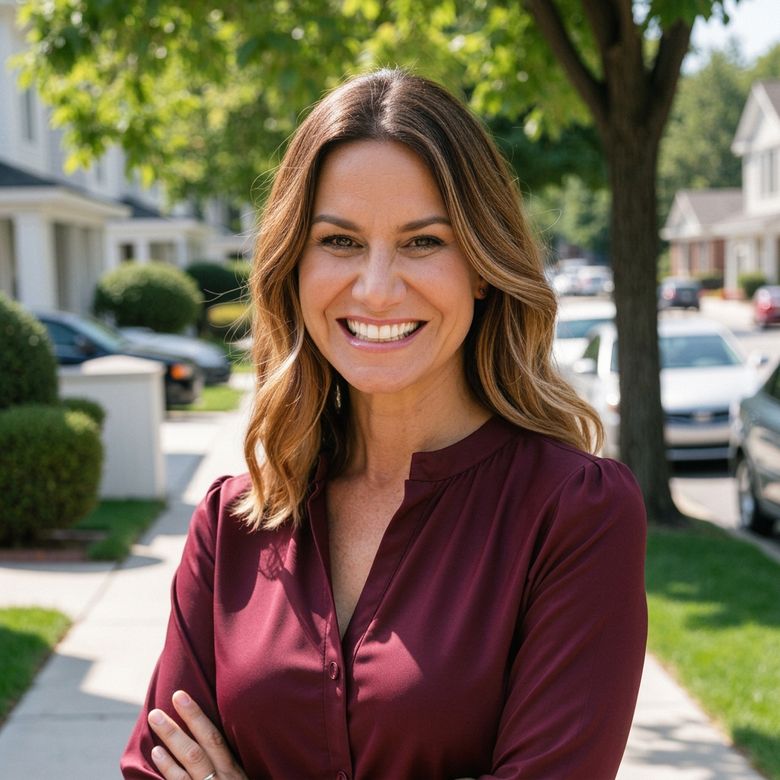
Hi, I’m Jennifer.
Jennifer Phelps, M.S., BCBA
Founder, The Haven Family Center
I’ve spent more than 25 years helping people and families understand behavior—not simply so they can change what someone is doing, but so they can better understand the person experiencing it.
Over the course of my career, I’ve worked across behavioral health, healthcare, education, family support, leadership, and program development.
Those experiences have taught me something that has become central to Haven:
Behavior rarely makes sense when we look at it in isolation.
We have to understand the person—their strengths, abilities, communication, environment, relationships, experiences, values, and stage of life.
Why I created Haven
Throughout my career, I’ve watched families encounter a similar question at very different stages of life: “Something isn’t working. What do we do now?”
A parent may be trying to understand why their autistic or neurodivergent child becomes overwhelmed by something that appears simple. A teenager may understand exactly what they should do but struggle to pause long enough to make the choice they intended.
A young adult may be working toward greater independence while navigating executive functioning, relationships, college, work, or everyday responsibilities.
These are very different experiences, and the support each person needs is different.
What do we need to understand about this person before deciding what needs to change?
That belief became the foundation of The Haven Family Center.
The Science of Connection™
Before you correct, CONNECT™.
Haven brings together behavioral science, curiosity, practical problem-solving, and respect for the person and family.
Instead of beginning with, “How do we stop this behavior?” I often begin with different questions: What is happening? What patterns are we seeing? What might this person need? What do we need to understand about the whole person? What could change in the environment? Where can we preserve meaningful choice and autonomy? What happens when we try something different?
Those questions became Haven’s CONNECT Framework:
See the CONNECT steps
The CONNECT Framework is one way we put The Science of Connection™ into practice.
What I bring to this work
I’m a Board Certified Behavior Analyst with more than 25 years of experience and hold a Master’s degree in Psychology from Florida State University.
I’ve also completed graduate training in Applied Educational Neuroscience and am currently pursuing a Master of Arts in Marriage and Family Therapy with a specialty in Adolescents and Children.
See Jennifer’s areas of experience
That breadth matters to me because people don’t live inside professional silos.
Behavior, learning, relationships, health, environment, independence, and family life affect one another.
Good support recognizes that complexity while also recognizing professional boundaries and when another provider needs to be part of the team.
I don’t start by asking, “How do we fix this?”
I start by trying to understand what makes sense about what’s happening.
I want to know what’s difficult—but I also want to know what the person enjoys, what they’re good at, what matters to them, what the family has already tried, and what would actually make everyday life better.
Sometimes the answer is teaching a new skill. Sometimes it’s helping a parent or caregiver respond differently. Sometimes it’s changing an expectation. Sometimes it’s adjusting a routine or environment. Sometimes it’s creating more meaningful opportunities for choice and independence. And sometimes it’s recognizing that another professional is better suited to address part of the concern.
The goal isn’t simply to change behavior. It’s to understand enough to know what should change.
And sometimes, what needs to change isn’t the person.
Support should work in real life
A technically perfect recommendation isn’t very useful if no one can realistically carry it out. That’s why I think about the person receiving support and the people helping them.
What is realistic?
What matters most right now?
What can we simplify?
Where can we reduce unnecessary conflict?
What can the person do independently?
Where is support actually needed?
What can the environment do so the caregiver doesn’t have to do everything?
A good plan should work for the person receiving support and the people helping carry it out.
The relationship matters, too
One of the things I care about most is protecting the relationship inside caregiving.
A parent should still get to be a parent.
A spouse should still get to be a spouse.
An adult child should still get to be their parent’s son or daughter.
Support shouldn’t become so focused on behavior, routines, appointments, goals, or caregiving responsibilities that we lose sight of the relationship itself.
Sometimes progress looks like greater independence. Sometimes it looks like less conflict. Sometimes it means changing the environment. And sometimes it simply means creating more room for connection.
What Haven is becoming
Whole Person · Whole Family · Whole Life™
I created The Haven Family Center to be a place where people don’t have to fit neatly into one professional box before asking for help.
Today, Haven is grounded in behavioral science, consultation, coaching, education, and practical support.
The larger vision is a lifespan-centered home where individuals and families can find thoughtful, coordinated support as their needs change over time.
The disciplines involved may be different. The stage of life may be different. The goals may be different.
Understand the person. Support the family. Strengthen connection.
Professional credentials
Jennifer Phelps, M.S., BCBA
Board Certified Behavior Analyst
25+ years of experience
Master of Science in Psychology
Florida State University
Graduate Certificate in Applied Educational Neuroscience
Butler University
Currently pursuing a Master of Arts in Marriage and Family Therapy
Specialty in Adolescents and Children
Haven provides behavioral consultation, coaching, education, and practical support. This is values-based behavioral coaching. Haven does not currently provide psychotherapy. Haven’s services do not replace medical evaluation or care from other appropriate professionals.
Start with what’s happening.
You don’t need to know what service you need before reaching out.
Tell us what’s happening, what’s been difficult, and what you would most like to be different. We’ll start there.
Tell Us What’s HappeningThe Haven Family Center
Whole Person · Whole Family · Whole Life™
The Science of Connection™
www.haven-familycenter.com